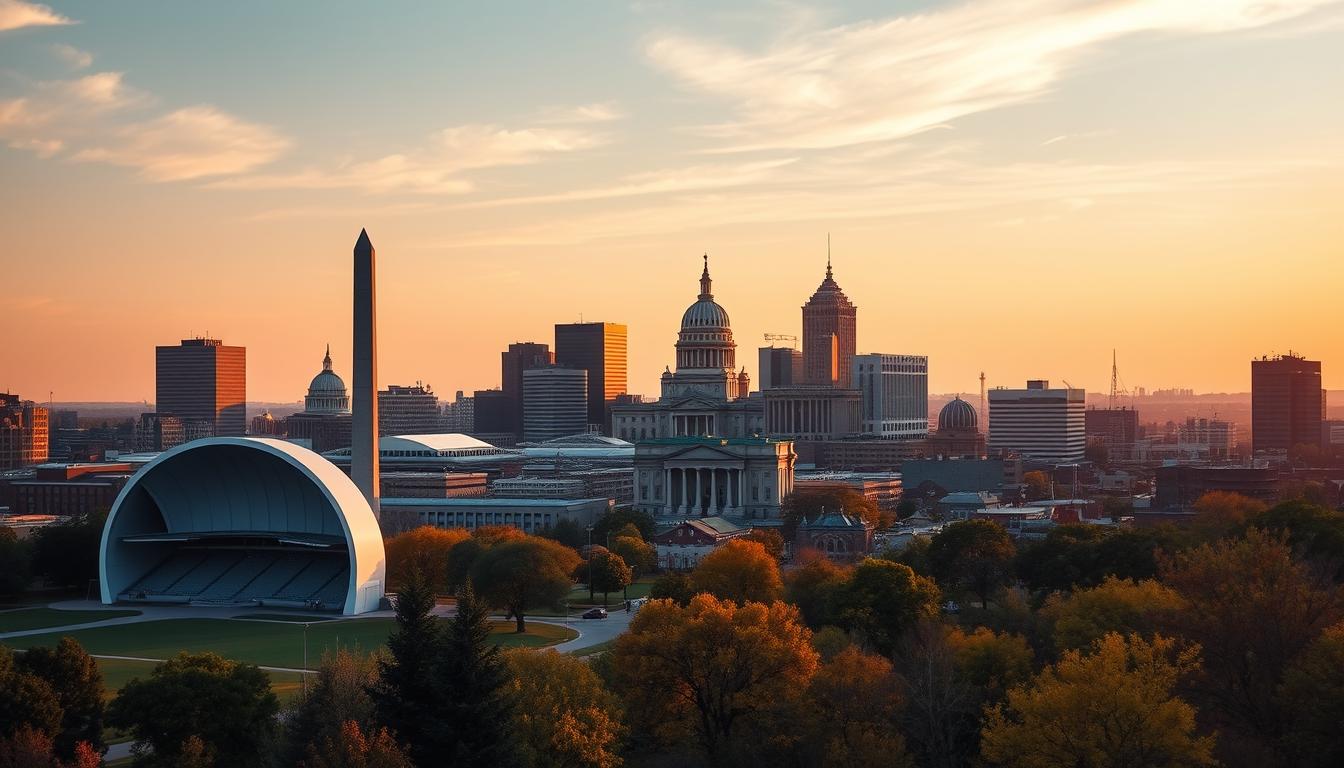
Discover Nashville’s Top Historical Landmarks
Nashville, Tennessee, is a city steeped in history and culture, boasting an array of historic places that tell the story of America’s musical and political heritage.
From the iconic Ryman Auditorium to the stately Tennessee State Capitol, famous historical sites in Nashville offer a glimpse into the city’s rich past, showcasing its significance in American history.
This article will take you on a journey through Nashville’s most significant historical landmarks, exploring their importance and what makes them must-visit destinations.
Key Takeaways
- Explore Nashville’s rich historical heritage through its landmarks.
- Discover the significance of iconic sites like the Ryman Auditorium.
- Learn about the historical importance of the Tennessee State Capitol.
- Uncover the stories behind Nashville’s most famous historical sites.
- Plan your visit to these must-see destinations.
The Rich Historical Heritage of Music City
From its early days as a frontier fort, Nashville has evolved into a vibrant cultural hub. This transformation is evident in its numerous historical landmarks that dot the cityscape.
Nashville’s historical heritage is a testament to its growth from a small fort to a thriving city. The city’s evolution is a story of cultural, political, and social changes that have shaped its identity.
Nashville’s Evolution From Frontier Fort to Cultural Capital
Nashville’s journey began as a frontier fort, Fort Nashborough, established in 1779. Over time, it grew into a significant cultural and political center, driven by its strategic location on the Cumberland River. Today, Nashville is renowned for its music scene, earning it the nickname “Music City.”
The Significance of Preserving Nashville’s Historical Sites
Preserving Nashville’s historical sites is crucial for maintaining its cultural heritage. These sites, including various nashville historical attractions, offer insights into the city’s past, allowing visitors to experience its rich history firsthand. Guided nashville historical tours provide a deeper understanding of the city’s evolution.
By exploring nashville’s history, visitors can appreciate the city’s development from a frontier fort to a cultural capital, highlighting the importance of preserving these historical sites for future generations.
The Iconic Ryman Auditorium: The Mother Church of Country Music
Step into the iconic Ryman Auditorium, and experience the heart of country music’s history. This venerable venue, known as the “Mother Church of Country Music,” has been a cornerstone of Nashville’s musical heritage since its inception in 1892.
The Birth and Evolution of the Ryman
The Ryman Auditorium was originally built as a Union Gospel Tabernacle, funded by Captain Thomas Ryman. Over the years, it has evolved from a religious venue to a pivotal music hall, hosting various performances that shaped the country music scene.
The auditorium’s historic significance is underscored by its role in hosting the Grand Ole Opry from 1943 to 1974, a period that cemented its status as a country music mecca.
Notable Performances and Grand Ole Opry Legacy
The Ryman has hosted some of the most iconic figures in music history, including Hank Williams, Emmylou Harris, and Johnny Cash. Its connection to the Grand Ole Opry is particularly noteworthy, as it was the Opry’s home for over three decades.
The legacy of these performances continues to attract music enthusiasts, making the Ryman one of the best historical landmarks in Nashville for those interested in the roots of country music.
Visitor Information and Backstage Tour Options
Visitors to the Ryman Auditorium can enjoy a variety of experiences, including daily guided tours and a backstage tour that offers a glimpse into the venue’s rich history. For those looking to explore Nashville’s historic sites, the Ryman is a must-visit destination.
Whether you’re a country music aficionado or simply interested in historical venues, the Ryman Auditorium is a key stop on your Nashville itinerary, offering a unique blend of history, music, and culture.
Tennessee State Capitol: A Masterpiece of Greek Revival Architecture
Nashville’s skyline is dominated by the Tennessee State Capitol, a stunning example of Greek Revival Architecture. This iconic building is not only a significant Nashville historical landmark but also a testament to the city’s rich political history.
William Strickland’s Architectural Vision
The Tennessee State Capitol was designed by William Strickland, a prominent architect of the time. Strickland’s vision for the Capitol was influenced by ancient Greek temples, reflecting the ideals of democracy and governance. The building’s design features a grand portico with Ionic columns, symbolizing the principles of justice and equality.
Political History and Significant Legislative Events
The Tennessee State Capitol has been the site of numerous significant legislative events throughout its history. It has witnessed the passage of landmark legislation that has shaped the state’s future. Visitors can explore the historic chambers and learn about the political decisions that have impacted Tennessee.
Exploring the Capitol Building and Grounds
Visitors to the Tennessee State Capitol can take guided tours of the building and its grounds. The tour includes the historic chambers, the Governor’s office, and the tomb of President James K. Polk.
The Tomb of President James K. Polk
The tomb of President James K. Polk is located on the Capitol grounds, serving as a reminder of the state’s rich presidential history. Visitors can pay their respects to the 11th President of the United States, who was born in North Carolina but had strong ties to Tennessee.
| Feature | Description |
|---|---|
| Architectural Style | Greek Revival |
| Designer | William Strickland |
| Notable Feature | Tomb of President James K. Polk |
The Tennessee State Capitol is a must-visit famous historical site in Nashville, offering insights into the city’s architectural, political, and presidential history. As a significant Nashville historical landmark, it continues to attract visitors from around the world.
The Hermitage: Home of President Andrew Jackson
As one of Nashville’s most significant historical attractions, The Hermitage offers a unique glimpse into the life of Andrew Jackson, the seventh President of the United States. Located just outside Nashville, Tennessee, this historic estate is a must-visit for anyone interested in the region’s rich history.
The Evolution of the Hermitage Estate
The Hermitage has a fascinating history that spans several decades, from its initial construction in 1804 to its eventual expansion and refinement until 1845. Andrew Jackson acquired the property in 1804 and gradually transformed it into the grand estate that stands today.
Daily Life and Slavery at The Hermitage
Daily life at The Hermitage was complex, involving not only the Jackson family but also the enslaved individuals who worked on the estate. Understanding the role of slavery at The Hermitage provides a more nuanced view of life in the 19th century.
Preservation Efforts and Historical Significance
The Hermitage has undergone significant preservation efforts to maintain its historical integrity. These efforts ensure that visitors can experience the estate much as it was during Andrew Jackson’s lifetime.
Visitor Experiences and Educational Programs
Visitors to The Hermitage can enjoy a variety of experiences, including guided tours of the mansion, exploration of the grounds, and participation in educational programs designed to bring the history of the estate to life.
By visiting The Hermitage, individuals can gain a deeper understanding of Andrew Jackson’s life and legacy, as well as the broader historical context of the period. As one of the historic places in Nashville, The Hermitage is an invaluable resource for history enthusiasts and the general public alike.
Belle Meade Plantation: The Queen of Tennessee Plantations
Belle Meade Plantation, with its rich history and stunning architecture, is a must-visit attraction for anyone exploring Nashville’s historical landmarks. This iconic plantation has been a significant part of Tennessee’s heritage for centuries, offering a unique glimpse into the state’s cultural and historical legacy.
The Harding-Jackson Family Legacy
Belle Meade Plantation was established in the early 19th century and became renowned for its association with the Harding and Jackson families. The plantation’s history is deeply intertwined with the lives of these influential families, who played crucial roles in shaping Tennessee’s agricultural and social landscape.
Thoroughbred Horse Breeding and Racing Heritage
One of the most notable aspects of Belle Meade Plantation is its thoroughbred horse breeding and racing heritage. The plantation was once home to some of the finest thoroughbred horses in the country, contributing significantly to the development of the breed.
Mansion Tours and Winery Experiences
Visitors to Belle Meade Plantation can enjoy guided tours of the mansion, exploring its opulent interiors and learning about its history. Additionally, the plantation is home to a winery, offering wine tastings and tours, providing a unique experience that combines history with contemporary leisure.
The Preserved Outbuildings and Grounds
The plantation’s outbuildings and grounds have been meticulously preserved, offering insights into the daily lives of those who lived and worked there. The preservation efforts have maintained the authenticity of the site, making it a valuable resource for understanding Tennessee’s history.
| Attraction | Description | Highlights |
|---|---|---|
| Mansion Tours | Guided tours of the historic mansion | Opulent interiors, historical artifacts |
| Winery Experiences | Wine tastings and tours | Local wines, vineyard views |
| Preserved Outbuildings | Historic outbuildings and grounds | Authentic structures, historical insights |
By visiting Belle Meade Plantation, individuals can gain a deeper understanding of Nashville’s rich historical heritage, making it one of the best historical landmarks in Nashville to explore.
Fort Negley: Civil War History Preserved
As one of the most preserved Civil War sites, Fort Negley provides a unique window into the history of Nashville. This historic fortification played a crucial role during the American Civil War, serving as a strategic Union stronghold.
Construction and Strategic Importance
Constructed in 1863, Fort Negley was built by the Union forces to secure Nashville, which had been captured earlier that year. The fort’s design and location allowed it to command a strategic view of the surrounding area, making it a key defensive position.
The Crucial Role of African American Laborers
The construction of Fort Negley involved the labor of over 2,700 African Americans, many of whom were enslaved or escaped slaves. Their work was instrumental in the fort’s completion, highlighting the significant contribution of African Americans to the Civil War effort.
Abandonment and Restoration History
After the Civil War, Fort Negley fell into disrepair, a state that continued for many decades. However, in the 20th century, efforts were made to restore the fort, recognizing its historical significance. Today, it stands as one of Nashville’s must-visit historical spots.
Visiting the Fort and Interpretive Center Today
Visitors to Fort Negley can explore the restored fort and the adjacent interpretive center, which offers insights into the history of the site. The center features exhibits on the construction of the fort, its role during the Civil War, and the laborers who built it.
- Explore the restored fort and its grounds.
- Visit the interpretive center for a deeper understanding of the site’s history.
- Enjoy the panoramic views of Nashville from the fort.
Fort Negley is a significant Nashville historic site that offers a compelling look into the city’s Civil War past. Its preservation and the availability of visitor facilities make it an essential stop for anyone interested in history.
Essential Nashville Historical Landmarks for Music Enthusiasts
For music enthusiasts, Nashville offers a rich tapestry of historical sites that have shaped the city’s musical identity. The city’s landmarks are not just monuments; they are vibrant narratives of Nashville’s musical heritage.
RCA Studio B: Birthplace of the Nashville Sound
RCA Studio B is one of the most iconic landmarks in Nashville’s music history. Established in 1957, it became the hub for legendary artists such as Elvis Presley, Dolly Parton, and Roy Orbison. The studio’s compact size and innovative recording techniques contributed to the distinctive “Nashville Sound” that revolutionized the music industry.
“RCA Studio B is where the magic happened, where artists and producers crafted songs that would become timeless classics.”
Visitors can take a guided tour of the studio, experiencing firsthand the environment where music history was made.
Country Music Hall of Fame and Museum
The Country Music Hall of Fame and Museum is a must-visit for any country music fan. With a vast collection of artifacts, interactive exhibits, and live performances, it offers a comprehensive look into the history and evolution of country music. The museum’s dynamic displays and personal stories of country music legends make it an engaging experience for visitors of all ages.
Musicians Hall of Fame and Museum
Dedicated to the often-unsung heroes of the music world—session musicians—the Musicians Hall of Fame and Museum celebrates their contributions to the music industry. The museum showcases a wide array of memorabilia, including rare instruments and photographs, highlighting the crucial role these musicians played in shaping popular music.
National Museum of African American Music
The National Museum of African American Music is a significant addition to Nashville’s musical landscape. It honors the rich legacy of African American music, from spirituals and blues to gospel and contemporary genres. The museum’s exhibits provide a deep understanding of the African American musical heritage and its impact on American music as a whole.
Nashville’s historical landmarks for music enthusiasts offer a journey through the city’s rich musical past, present, and future. Each site provides a unique perspective on the elements that have made Nashville the music capital of the world.
Belmont Mansion: Victorian Elegance and Civil War Stories
With its intricate Italianate architecture and rich historical significance, the Belmont Mansion is a must-visit historic place in Nashville. This stunning mansion, once the residence of Adelicia Acklen, Nashville’s wealthiest woman in the mid-19th century, offers a unique glimpse into the city’s past.
Adelicia Acklen: Nashville’s Wealthiest Woman
Adelicia Acklen was not only a prominent figure in Nashville’s society but also a savvy businesswoman who managed her late husband’s vast estate. Her life and legacy are deeply intertwined with the history of the Belmont Mansion.
Architectural Significance and Interior Collections
The Belmont Mansion is renowned for its exquisite Italianate architecture and opulent interior design. Visitors can marvel at the intricate details and furnishings that reflect the tastes of Nashville’s elite during the Victorian era.
Civil War Connections and Preservation
The Belmont Mansion played a significant role during the Civil War, serving as a convalescent hospital for Union soldiers. Today, it stands as a testament to the city’s complex history and the efforts to preserve it.
Guided Tours and Special Events
Visitors to the Belmont Mansion can enjoy guided tours that delve into its history, architecture, and Civil War connections. The mansion also hosts special events throughout the year, making it a vibrant part of Nashville historical tours.
| Tour Type | Description | Duration |
|---|---|---|
| Guided Mansion Tour | Explore the opulent interiors and learn about the history of the Belmont Mansion. | 60 minutes |
| Grounds Tour | Discover the beautiful gardens and grounds of the Belmont Mansion. | 45 minutes |
| Special Events | Attend one of the many special events hosted by the Belmont Mansion throughout the year. | Varies |
Planning Your Visit to Nashville’s Historical Landmarks
As you prepare to explore the best historical landmarks in Nashville, a little planning can go a long way. Nashville’s rich history is palpable in its many landmarks, from the iconic Ryman Auditorium to the historic Belle Meade Plantation.
Best Times to Visit Each Location
Understanding the best times to visit Nashville’s historical landmarks can enhance your experience. For instance, visiting the Ryman Auditorium during a guided tour can provide insights into its history and significance. The Tennessee State Capitol is open for guided tours Monday through Saturday, making it a great weekday activity.
Some landmarks, like The Hermitage, are open year-round, but the experience varies with the seasons. Visiting during spring or fall can be particularly pleasant due to the mild weather.
Ticket Information and Money-Saving Passes
Purchasing tickets in advance can save you time and sometimes money. Many historical sites offer bundled passes or discounts for students, seniors, or groups. For example, the Nashville CityPASS can provide discounted admission to several attractions.
“The best way to experience Nashville’s history is by immersing yourself in its stories and landmarks.” – A local historian
Guided Tours vs. Self-Guided Experiences
Whether to opt for a guided tour or explore on your own depends on your preference. Guided tours offer in-depth information and insights, while self-guided tours provide flexibility. Many landmarks, such as Belle Meade Plantation, offer both options.
Accessibility Information for Historic Sites
Nashville’s historical landmarks strive to be accessible to all visitors. Many sites, including the Country Music Hall of Fame and Museum, offer wheelchair accessibility and accommodations for visitors with disabilities.
Conclusion: Experiencing the Rich Legacy of Nashville’s Historical Landmarks
Nashville’s historical landmarks offer a captivating journey through the city’s rich cultural heritage. From the iconic Ryman Auditorium to the Tennessee State Capitol, each site provides a unique glimpse into the city’s history and significance.
Visitors to Nashville can explore the must-visit historical spots, including The Hermitage, home of President Andrew Jackson, and Belle Meade Plantation, renowned for its thoroughbred horse breeding and racing heritage. These landmarks not only showcase the city’s architectural and historical treasures but also highlight its cultural and musical legacy.
By experiencing these Nashville historical landmarks, visitors can gain a deeper understanding of the city’s evolution and cultural significance. Whether you’re a history buff, music enthusiast, or simply looking to explore a new city, Nashville’s historical landmarks are sure to leave a lasting impression.