Nashville’s Historic Homes: A Glimpse into the Past
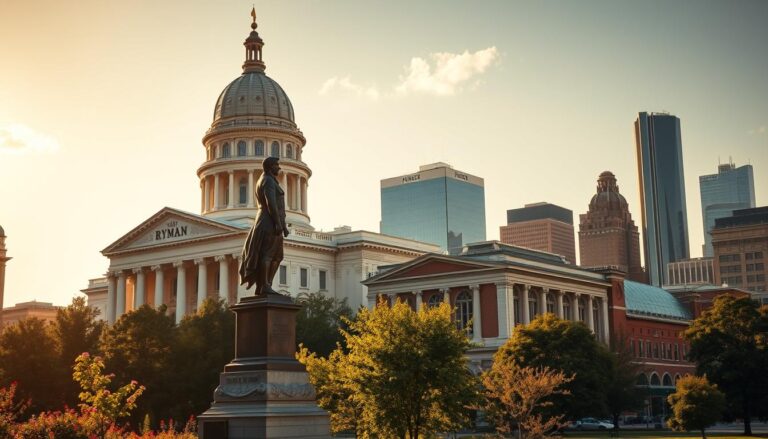
Nashville’s rich architectural heritage is reflected in its historic houses, each telling a story of the city’s past. These beautiful homes are not just structures; they are cultural landmarks that have shaped the city’s identity.
Exploring these homes offers a journey through time, revealing the history and significance behind each architectural style. From grand antebellum mansions to charming Victorian cottages, Nashville’s historic homes are a testament to the city’s diverse cultural influences.
Key Takeaways
- Discover the rich history behind Nashville’s architectural heritage.
- Explore the significance of historic houses in Nashville.
- Learn about the cultural landmarks that have shaped the city’s identity.
- Understand the diverse cultural influences reflected in Nashville’s homes.
- Uncover the stories behind the city’s most beautiful historic homes.
The Rich Architectural Heritage of Nashville
Nashville’s historic homes showcase a unique blend of architectural styles, reflecting the city’s evolution over the centuries. From pre-Civil War homes to Victorian-era residences, the diversity in architectural influences is a testament to Nashville’s rich cultural heritage.
Nashville’s Evolution Through Architecture
The city’s architectural landscape has been shaped by its history, with various styles emerging over time. Greek Revival and Federal styles were popular during the antebellum period, while Victorian styles gained prominence in the late 19th century.
| Architectural Style | Period | Characteristics |
|---|---|---|
| Greek Revival | Antebellum | Pediments, columns |
| Victorian | Late 19th Century | Ornate detailing, asymmetrical facades |
The Significance of Preserving Historic Homes
Preserving Nashville’s historic homes is crucial for maintaining the city’s cultural identity and historical significance. These homes not only reflect the past but also contribute to the city’s unique character.
Nashville Historic Homes: A Timeline of Development
Understanding the timeline of Nashville’s historic homes is crucial for appreciating its heritage. The city’s architectural landscape has evolved significantly over the centuries, influenced by various historical events and cultural shifts.
Pre-Civil War Homes (1800-1860)
Nashville’s early settlement architecture is characterized by simple, functional designs. These homes were often built using local materials and reflected the needs of the families who lived there.
Early Settlement Architecture
The early settlement homes were typically small and unadorned, with an emphasis on practicality.
Antebellum Mansions
In contrast, antebellum mansions showcased the wealth and status of their owners, featuring grand columns and intricate details.
Victorian Era Residences (1860-1900)
The Victorian era brought significant changes to Nashville’s architectural landscape, with ornate facades and complex rooflines becoming more common.
Early 20th Century Developments (1900-1940)
The early 20th century saw the rise of new architectural styles, including Craftsman and Colonial Revival.
| Period | Architectural Style | Notable Features |
|---|---|---|
| Pre-Civil War | Greek Revival, Federal | Columns, Pilasters |
| Victorian Era | Italianate, Second Empire | Ornate facades, Complex rooflines |
| Early 20th Century | Craftsman, Colonial Revival | Low-pitched gabled roofs, Porches |
Iconic Architectural Styles Found in Nashville
The city’s historic homes display a wide array of architectural styles, reflecting Nashville’s cultural and historical influences. These styles not only add to the aesthetic appeal of the city but also provide a glimpse into its rich past.
Federal and Greek Revival Influences
Nashville’s historic homes feature Federal and Greek Revival styles, characterized by their symmetrical facades, balanced proportions, and classical details. The Federal style is marked by its use of adorned doorways and balanced fanlights, while Greek Revival homes often feature pilasters and pediments.
Victorian and Queen Anne Styles
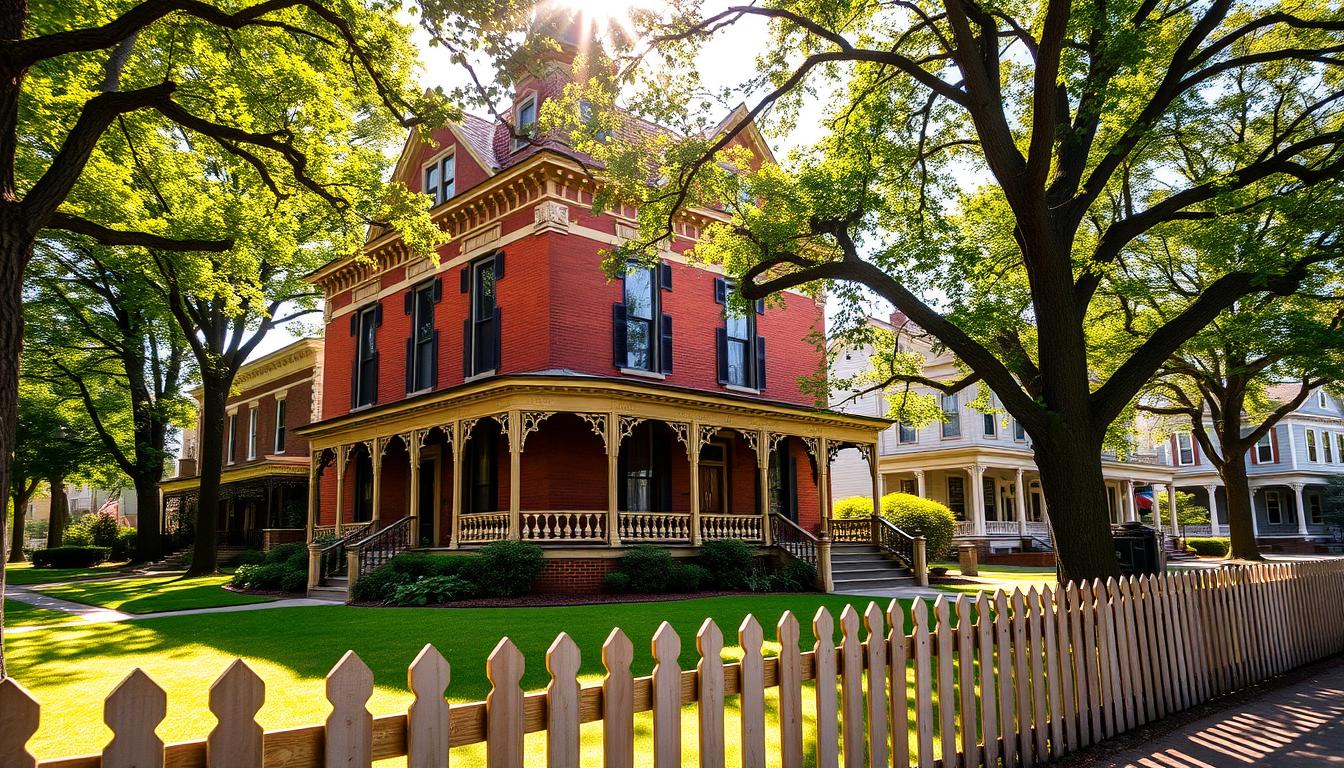
The Victorian era brought a surge in ornate architectural styles, including the Queen Anne style. Characterized by asymmetrical facades, turrets, and patterned masonry, these homes showcase the era’s love for detail and ornamentation.
Craftsman and Bungalow Designs
The Craftsman style, popularized in the early 20th century, emphasizes handcrafted details and a cozy, welcoming atmosphere. Bungalow-style homes, a subset of Craftsman, are known for their low-pitched gabled roofs and wide eaves.
Colonial Revival and Tudor Homes
Colonial Revival homes, inspired by early American architecture, feature classical elements and symmetrical facades. Tudor homes, with their steeply pitched roofs and half-timbering, add a touch of medieval charm to Nashville’s neighborhoods.
| Architectural Style | Characteristics | Notable Features |
|---|---|---|
| Federal | Symmetrical facade, balanced proportions | Adorned doorways, balanced fanlights |
| Greek Revival | Classical details, pilasters | Pediments, wide pilasters |
| Queen Anne | Asymmetrical facade, turrets | Patterned masonry, ornate woodwork |
| Craftsman | Handcrafted details, cozy atmosphere | Low-pitched gabled roofs, wide eaves |
Belle Meade: Nashville’s Historic Plantation Home
Belle Meade Plantation, located just outside Nashville, offers a glimpse into the region’s antebellum history. As one of Tennessee’s most significant historic properties, it attracts visitors interested in exploring the state’s rich cultural heritage.
The History of Belle Meade Plantation
Established in the 19th century, Belle Meade Plantation was a thriving agricultural estate known for its high-quality whiskey and thoroughbred horses. The plantation’s history is deeply intertwined with the broader narrative of Tennessee’s development.
Architectural Features and Restoration
The plantation’s main mansion showcases a blend of architectural styles, reflecting the various periods of its history. Restoration efforts have preserved the property’s integrity, allowing visitors to experience its original grandeur.
Visiting Belle Meade Today
Visitors to Belle Meade Plantation can explore the mansion, its outbuildings, and the surrounding grounds. The site offers a range of activities, including wine tastings and horseback riding, providing a comprehensive experience of this historic Tennessee property.
| Activity | Description |
|---|---|
| Guided Tours | Explore the mansion and grounds with knowledgeable guides. |
| Wine Tastings | Sample some of Belle Meade’s renowned wines. |
| Horseback Riding | Take a ride through the plantation’s scenic trails. |
The Hermitage: Andrew Jackson’s Historic Estate
Nestled in Nashville, The Hermitage is a testament to the life and legacy of Andrew Jackson, the seventh U.S. President. This historic estate is not only significant for its association with Jackson but also for its architectural and historical features.
Presidential History and Significance
The Hermitage served as Andrew Jackson’s home from 1804 until his death in 1845. It was here that Jackson managed his plantation and conducted his political affairs, including his presidential campaigns. The estate provides a unique insight into Jackson’s personal and professional life, showcasing his role in American history.
The Architecture of The Hermitage
The Hermitage is an exemplary model of Greek Revival architecture, a style that was popular during the mid-19th century.
Greek Revival Elements
The estate’s facade is characterized by its symmetrical design, pilasters, and a prominent pediment, all hallmarks of the Greek Revival style. These architectural elements reflect the cultural and aesthetic influences of the time.
Interior Design and Furnishings
The interior of The Hermitage has been meticulously restored to reflect the period during which Jackson lived there. The furnishings and decor provide a glimpse into the life of a prominent figure in American history, offering a tangible connection to the past.
Preservation Efforts and Public Access
Today, The Hermitage is open to the public, allowing visitors to explore the estate and its grounds. Preservation efforts have ensured that this significant piece of American history remains intact for future generations. As one of Nashville’s historic houses, The Hermitage is a vital part of the city’s vintage real estate heritage.
Belmont Mansion: Victorian Grandeur in Nashville
The Belmont Mansion, a masterpiece of Victorian architecture, offers a glimpse into Nashville’s past. This stunning antique home in Nashville is a testament to the city’s rich cultural and historical influences.
Adelicia Acklen and the Mansion’s History
Built in the mid-19th century, the Belmont Mansion was once the residence of Adelicia Acklen, a prominent figure in Nashville’s society. The mansion’s history is deeply intertwined with the city’s evolution, reflecting the cultural and social changes of the time.
Architectural Highlights and Italian Influence
The Belmont Mansion showcases a unique blend of architectural styles, with a significant Italian influence. The Italianate architecture is evident in its ornate details and grandiose design, making it a standout example of historic architecture in Nashville.
Current Status as a Museum
Today, the Belmont Mansion operates as a museum, offering visitors a glimpse into Nashville’s rich history. The mansion’s preservation and restoration efforts have ensured that its grandeur and beauty are maintained for future generations to appreciate.
Lesser-Known Historic Gems of Nashville
Nashville’s rich history is not just confined to its famous landmarks; there are numerous hidden treasures waiting to be discovered. Beyond the well-known historic homes, the city is home to several lesser-known gems, each with its own unique history and architectural significance.
Travellers Rest Plantation
Travellers Rest Plantation is one such historic property that offers a glimpse into the region’s past. This plantation, once the home of Nashville founder John Donelson and later President Andrew Jackson’s friend and ally, John Overton, showcases the architectural and historical richness of the area.
Two Rivers Mansion
Another lesser-known gem is the Two Rivers Mansion, a historic house museum that stands at the confluence of the Cumberland River and the Stones River. Built in 1850, it is one of the oldest surviving antebellum homes in the Nashville area.
Carnton Plantation
Carnton Plantation, while known for its role in the Civil War, remains a lesser-known gem in terms of its architectural and historical significance. The plantation house, built in the 1820s, is a stunning example of Federal-style architecture.
Croft House at the Nashville Zoo
The Croft House, located within the Nashville Zoo, is another historic property that is often overlooked. This house, built in the late 19th century, has been beautifully restored and now serves as a unique attraction within the zoo.
These historic gems not only enrich our understanding of Nashville’s history but also provide a tangible connection to the city’s architectural heritage. Visiting these sites offers a chance to step back in time and experience the history of Nashville historic homes and historic properties Tennessee firsthand.
Historic Districts of Nashville
Nashville’s historic districts offer a glimpse into the past, showcasing diverse architectural styles and historical influences that have shaped the city.
Germantown: Nashville’s First Suburb
Germantown, established in the early 19th century, is one of Nashville’s most historic neighborhoods. Known for its brick-lined streets and charming antebellum homes, it provides a unique glimpse into the city’s early history. Germantown is also home to a vibrant arts scene and boutique shops, making it a popular destination for both locals and tourists.
East Nashville’s Historic Neighborhoods
East Nashville boasts several historic neighborhoods, each with its own character.
Edgefield
Edgefield is known for its Victorian-era homes, featuring intricate woodwork and ornate facades. This neighborhood has seen significant revitalization efforts, with many homes being restored to their original grandeur.
Lockeland Springs
Lockeland Springs is another historic neighborhood in East Nashville, characterized by its Craftsman-style homes and tree-lined streets. The area has a strong sense of community, with many residents actively involved in preservation efforts.
12South and Belmont-Hillsboro Areas
The 12South and Belmont-Hillsboro areas are known for their historic homes and cultural significance. 12South features a mix of early 20th-century homes, while Belmont-Hillsboro is characterized by its grand estates and historic mansions.
| Historic District | Notable Features | Architectural Style |
|---|---|---|
| Germantown | Brick-lined streets, Antebellum homes | Federal, Greek Revival |
| Edgefield | Victorian-era homes, Intricate woodwork | Victorian |
| Lockeland Springs | Craftsman-style homes, Tree-lined streets | Craftsman |
Nashville’s historic districts are a testament to the city’s rich cultural heritage, offering a unique blend of history, architecture, and community.
Preservation Challenges and Triumphs in Nashville
Nashville’s historic homes are not just relics of the past but living, breathing parts of the city’s identity, requiring careful preservation. The city’s historic architecture is a significant aspect of its cultural heritage, with many antique homes dating back to the 19th century.
Historic Zoning and Preservation Policies
Nashville has implemented various historic zoning laws and preservation policies to protect its architectural heritage. These regulations help maintain the integrity of historic districts and ensure that any renovations or new constructions are sympathetic to the existing architectural style.
| Policy | Description | Impact |
|---|---|---|
| Historic Zoning | Regulates changes to historic properties | Preserves architectural integrity |
| Preservation Easements | Protects historic properties from alteration | Ensures long-term preservation |
Notable Restoration Success Stories
There have been many successful restoration projects in Nashville, showcasing the city’s commitment to preserving its historic homes. For example, the restoration of the Belle Meade Plantation has been a significant triumph, with the property now serving as a museum and educational center.
Current Threats to Historic Properties
Despite these successes, Nashville’s historic properties face ongoing threats, including urban development and neglect. It is crucial for the city to continue its preservation efforts to protect these irreplaceable assets.
Buying and Restoring Historic Nashville Properties
Nashville’s historic homes are not just buildings; they are gateways to the past, offering a glimpse into the city’s rich history. For those looking to own a piece of this history, buying and restoring a historic property can be a rewarding experience.
The Market for Historic Homes in Nashville
The market for historic homes in Nashville is vibrant, with many properties available across various neighborhoods. Vintage real estate in Nashville is highly sought after, not just for its charm but also for its potential as a valuable investment.
| Neighborhood | Average Price | Property Type |
|---|---|---|
| Germantown | $500,000 | Historic Homes |
| 12 South | $700,000 | Restored Victorian |
| East Nashville | $400,000 | Craftsman Bungalows |
Renovation Considerations and Challenges
Renovating a historic home in Nashville comes with its challenges, including navigating historic zoning regulations and finding period-appropriate materials.
Working with Historic Zoning Regulations
Understanding and complying with historic zoning regulations is crucial to avoid costly delays or fines. Property owners must work closely with local preservation societies and city officials.
Finding Period-Appropriate Materials
Sourcing materials that match the original character of the property is essential for maintaining its historic integrity. This can involve searching for salvage yards, specialty suppliers, or craftsmen skilled in traditional techniques.
Financial Aspects: Tax Incentives and Grants
Restoring historic properties can be costly, but there are financial incentives available, including tax credits and grants designed to support preservation efforts. These can significantly offset the costs associated with restoration.
By carefully considering the market, renovation challenges, and financial aspects, buyers can successfully restore Nashville’s historic properties, preserving the city’s cultural heritage for future generations.
Nashville’s Historic Home Tours and Events
Nashville’s historic homes are not just relics of the past, but vibrant cultural hubs that come alive through various tours and events throughout the year.
The city’s rich cultural heritage is celebrated through numerous annual home tours and festivals. These events provide a unique opportunity for visitors to explore Nashville’s historic houses nashville, showcasing their architectural beauty and historical significance.
Annual Home Tours and Festivals
Nashville hosts several annual home tours and festivals that attract history buffs and architecture enthusiasts alike. Some notable events include:
- The Nashville Historic Home Tour, which features a selection of historic homes open to the public.
- The Germantown Historic Home Tour, showcasing the city’s first suburb’s historic charm.
- The Belle Meade Plantation’s annual events, including wine tastings and historical reenactments.
Museum Homes Open to the Public
Many of Nashville’s antique homes nashville have been converted into museums, offering a glimpse into the city’s past. Some notable museum homes include:
| Museum Home | Location | Features |
|---|---|---|
| The Hermitage | Hermitage, TN | Home of President Andrew Jackson, showcasing Greek Revival architecture. |
| Belmont Mansion | Nashville, TN | Italianate-style mansion with ornate decor and beautiful gardens. |
| Travellers Rest Plantation | Nashville, TN | Historic plantation home with log cabins and outbuildings. |
Seasonal and Special Events
Nashville’s historic homes also host various seasonal and special events, such as holiday-themed tours, garden parties, and historical reenactments. These events add to the city’s vibrant cultural scene, making Nashville’s historic homes a must-visit destination.
By exploring Nashville’s historic home tours and events, visitors can gain a deeper understanding of the city’s rich history and cultural heritage.
Conclusion: The Enduring Legacy of Nashville’s Historic Homes
Nashville’s historic homes are a testament to the city’s rich cultural heritage, showcasing a diverse range of architectural styles that have been preserved and restored over the years. The city’s historic architecture in Nashville is a significant part of its identity, reflecting the lives and experiences of its past residents.
From the grandeur of Belle Meade Plantation to the elegance of Belmont Mansion, these historic homes offer a glimpse into Nashville’s past, highlighting the importance of preserving our cultural heritage for future generations. As visitors explore these properties, they gain a deeper understanding of the city’s history and the significance of its historic architecture.
By continuing to preserve and celebrate Nashville’s historic homes, we can ensure that the city’s history remains alive and vibrant, inspiring and educating visitors for years to come. The enduring legacy of Nashville’s historic homes is a treasure that will continue to captivate audiences, providing a unique connection to the city’s rich cultural heritage.