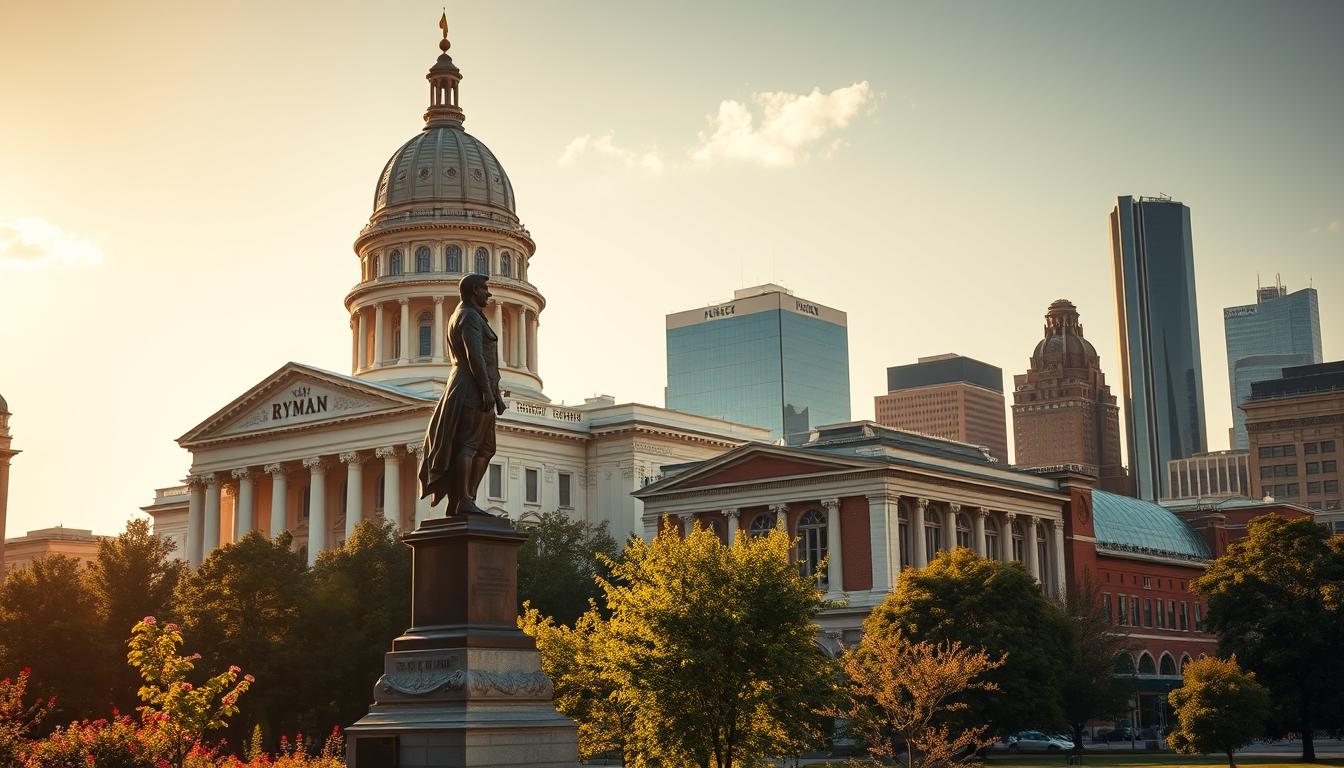
Explore the Top Historic Attractions in Nashville
Nashville, a city steeped in rich history and cultural heritage, offers a fascinating journey through its most significant landmarks. From the birthplace of country music to pivotal sites in American history, Nashville’s historic attractions are a treasure trove for history enthusiasts and casual visitors alike.
As you explore Nashville’s history, you’ll discover a city that has played a crucial role in shaping America’s musical and cultural identity. With its blend of preserved historic sites and vibrant cultural scene, Nashville invites you to step into the past and experience the stories that have made it a beloved destination.
Key Takeaways
- Discover Nashville’s rich historical heritage
- Explore significant landmarks and historic sites
- Experience the city’s cultural and musical history
- Visit pivotal sites in American history
- Enjoy the blend of preserved historic sites and vibrant culture
Nashville’s Rich Historical Heritage
From the sounds of country music to the echoes of the Civil War, Nashville’s historical heritage is multifaceted. The city’s history is not just about one aspect; it’s a blend of its evolution as Music City and its significant role in American history.
The Evolution of Music City
Nashville’s transformation into Music City is a story of passion, innovation, and perseverance. The city’s music scene evolved from humble beginnings in the early 20th century to become the country music capital of the world. Key landmarks like the Ryman Auditorium and the Grand Ole Opry have been instrumental in this journey, hosting legendary artists and fostering a community that celebrates music.
The city’s music heritage is not just about the venues; it’s also about the artists who have called Nashville home. From Hank Williams to Dolly Parton, these icons have contributed to Nashville’s reputation as a hub for musical talent.
Nashville’s Role in American History
Nashville’s historical significance extends far beyond its music scene. The city played a crucial role in the Civil War, with battles and sieges that left lasting impacts on the nation. Landmarks like Fort Negley and the Carter House stand as testaments to this period, offering insights into the city’s and the country’s past.
Nashville’s influence on American history is also evident in its political and cultural institutions. The Tennessee State Capitol is a prime example, representing the state’s rich political history and architectural heritage.
The Iconic Historic Sites in Nashville
The city of Nashville boasts an array of historic landmarks that are steeped in history and culture. These sites not only reflect the city’s rich heritage but also attract visitors from all over the world.
Ryman Auditorium: The Mother Church of Country Music
The Ryman Auditorium is famously known as “The Mother Church of Country Music.” Built in 1892, it served as the home of the Grand Ole Opry from 1943 to 1974. This historic venue has hosted legendary performers such as Hank Williams and Emmylou Harris. Its significance in country music history is unparalleled, making it a must-visit for music enthusiasts. The Ryman Auditorium’s acoustic properties are still praised today, offering an intimate setting for performances.
Tennessee State Capitol: A Greek Revival Masterpiece
The Tennessee State Capitol, completed in 1859, is a stunning example of Greek Revival architecture. Designed by William Strickland, this historic building has played a crucial role in the state’s history, serving as the seat of government during the Civil War era. Visitors can take guided tours to explore its impressive architecture and learn about its historical significance. The Capitol’s historic importance is highlighted by its inclusion on the National Register of Historic Places.
Parthenon in Centennial Park
Centennial Park is home to a full-scale replica of the ancient Greek Parthenon, built in 1897 as part of the Tennessee Centennial Exposition. This iconic structure houses an art museum and features a 42-foot statue of Athena. The Parthenon has become a symbol of Nashville, often referred to as the “Athens of the South.” It stands as a testament to the city’s cultural and artistic heritage.
Nashville’s iconic historic sites, including the Ryman Auditorium, Tennessee State Capitol, and Parthenon in Centennial Park, offer a glimpse into the city’s rich history and cultural significance. These landmarks make Nashville a unique and fascinating destination for history buffs and tourists alike.
Music History Landmarks
Music history landmarks in Nashville are not just attractions; they are gateways to understanding the city’s vibrant musical heritage. For music enthusiasts, visiting these sites is a pilgrimage to the heart of American music.
Country Music Hall of Fame and Museum
The Country Music Hall of Fame and Museum is a crown jewel among Nashville’s music history landmarks. With a vast collection of country music artifacts, it tells the story of the genre’s evolution. The museum’s interactive exhibits and memorabilia make it a must-visit historic site in Nashville.
“Country music is a proud and noble art form, and this museum does it justice.”
RCA Studio B: Birthplace of the Nashville Sound
RCA Studio B is where the legendary Nashville Sound was born. This studio has been the recording site for numerous iconic artists, including Elvis Presley and Dolly Parton. Today, it stands as a testament to the city’s role in shaping modern music.
| Studio | Notable Artists | Significance |
|---|---|---|
| RCA Studio B | Elvis Presley, Dolly Parton | Birthplace of the Nashville Sound |
Grand Ole Opry House
The Grand Ole Opry House is another historical place to visit in Nashville. As the home of the Grand Ole Opry, it continues to be a central venue for country music performances. Visitors can explore the Opry’s history and even catch a live show.
Nashville’s music history landmarks are a treasure trove for anyone interested in the history of American music. From the Country Music Hall of Fame and Museum to the Grand Ole Opry House, each site offers a unique glimpse into the city’s rich musical heritage.
Civil War Historic Sites Around Nashville
As a key location during the American Civil War, Nashville boasts numerous historic sites that played significant roles in the conflict. The city’s strategic importance during the war is evident in the various landmarks that have been preserved to this day.
Fort Negley: Nashville’s Civil War Fortress
Fort Negley was a pivotal fortification constructed by Union forces in 1862. It was part of a larger defensive system designed to protect Nashville from Confederate attacks. Today, visitors can explore the remains of the fort, which include reconstructed walls and a visitor center offering insights into its historical significance.
Carter House and Carnton Plantation
The Carter House, located in Franklin, Tennessee, just south of Nashville, is a poignant reminder of the Battle of Franklin. The house still bears the scars of the battle, with numerous bullet holes remaining. Carnton Plantation, another significant site, was a Confederate field hospital during the battle and is now a museum showcasing the history of the plantation and the battle.
Nashville National Cemetery
The Nashville National Cemetery is the final resting place for thousands of Union soldiers, as well as some Confederate soldiers. Established in 1864, it is one of the largest national cemeteries in the country. Visitors can pay their respects at this solemn site, which serves as a poignant reminder of the human cost of the Civil War.
Nashville’s Civil War historic sites offer a unique glimpse into the city’s past, providing a tangible connection to the events that shaped the nation. Exploring these sites allows visitors to gain a deeper understanding of the city’s role in the conflict and its enduring legacy.
Historic Homes and Mansions
Nashville’s historic homes and mansions are testaments to the city’s rich history and architectural splendor. These structures not only reflect the architectural styles of their times but also tell the stories of the people who lived there, including prominent figures in American history.
Belle Meade Plantation: Queen of Tennessee Plantations
Belle Meade Plantation is one of the most renowned historic sites in Nashville. Established in the 19th century, it was a thriving plantation that showcased Greek Revival architecture. The plantation’s history, including its role in the Civil War and the antebellum era, is a significant part of Nashville’s heritage.
The plantation’s main house, with its elegant columns and classic design, is a prime example of antebellum architecture. Visitors can explore the house, the wine cellar, and the grounds, gaining insight into the lives of the plantation’s former inhabitants.
The Hermitage: Home of President Andrew Jackson
The Hermitage, located just outside Nashville, was the home of the seventh President of the United States, Andrew Jackson. This historic mansion is a blend of Greek Revival and Neoclassical styles, reflecting the architectural tastes of the early 19th century.
Visitors to The Hermitage can tour the reconstructed interior, which includes Jackson’s personal belongings and furnishings. The property also includes several outbuildings and the tomb of President Jackson and his wife.
Travellers Rest Historic House Museum
Travellers Rest is a historic house museum that showcases a unique blend of architectural styles, including Federal and Greek Revival. The house was built in the early 19th century and served as a residence for several generations of the Harding family.
The museum offers guided tours, allowing visitors to explore the house and its outbuildings, including a reconstructed kitchen and slave quarters. The property also features beautiful gardens and a variety of historical artifacts.
| Historic Site | Architectural Style | Historical Significance |
|---|---|---|
| Belle Meade Plantation | Greek Revival | Antebellum plantation, Civil War significance |
| The Hermitage | Greek Revival, Neoclassical | Home of President Andrew Jackson |
| Travellers Rest | Federal, Greek Revival | Harding family residence, historic house museum |
These historic homes and mansions not only highlight Nashville’s architectural diversity but also provide a window into the city’s rich historical past. Visiting these sites offers a deeper understanding of the events and people that shaped Nashville and the broader American history.
“The Hermitage, with its majestic columns and beautifully maintained grounds, is a must-visit for anyone interested in American history and architecture.”
Nashville’s Historic Districts and Architecture
Exploring Nashville’s historic districts reveals a blend of architectural styles and historical significance. These districts are not just areas of historical importance but also showcase the city’s evolution over time.
Germantown: Nashville’s First Suburb
Germantown is one of Nashville’s most historic districts, known for its antebellum architecture and rich history. Established in the early 19th century, it was Nashville’s first suburb and has since become a hub for cultural and historical preservation.
Printers Alley: Historic Entertainment District
Printers Alley is another significant historic district, famous for its role in Nashville’s entertainment history. This area has been a hotspot for nightlife and music venues, contributing to Nashville’s reputation as Music City.
Victorian Architecture in East Nashville
East Nashville is renowned for its Victorian-era architecture, with many homes showcasing intricate designs and vibrant colors. This area provides a unique glimpse into Nashville’s architectural past and its evolution over the decades.
| Historic District | Notable Features | Historical Significance |
|---|---|---|
| Germantown | Antebellum architecture | Nashville’s first suburb |
| Printers Alley | Nightlife, music venues | Entertainment history |
| East Nashville | Victorian-era homes | Architectural heritage |
Nashville’s historic districts are a treasure trove of architectural and historical significance, offering visitors a chance to explore Nashville’s history firsthand. From Germantown’s antebellum homes to Printers Alley’s vibrant nightlife and East Nashville’s Victorian architecture, each district provides a unique perspective on the city’s past.
Must-Visit Historic Sites in Nashville for History Enthusiasts
Nashville, a city steeped in history, offers a plethora of historic sites that are a must-visit for any history enthusiast. From museums to historic parks, Nashville’s rich historical heritage is on full display. Here are some of the top historic sites to explore.
Tennessee State Museum
The Tennessee State Museum is a premier destination for history enthusiasts. With a vast collection of artifacts and exhibits, it tells the story of Tennessee’s history from prehistoric times to the present. Visitors can explore the state’s role in the Civil War, its musical heritage, and the people who shaped its history. The museum’s interactive exhibits make it an engaging experience for visitors of all ages.
Frist Art Museum: Historic Post Office Turned Cultural Center
Located in the historic post office building, the Frist Art Museum is a cultural gem in Nashville. The building itself is a work of art, with its stunning architecture and beautifully restored interior. The museum features rotating art exhibitions, making it a must-visit for art lovers and history enthusiasts alike. Its historic significance and cultural offerings make it a unique destination.
Bicentennial Capitol Mall State Park
Bicentennial Capitol Mall State Park is a 19-acre park that commemorates Tennessee’s history and the bicentennial of the state’s admission to the Union. The park features a grand lawn, a 200-foot long granite map of Tennessee, and various monuments and memorials. It’s a peaceful oasis in the heart of the city, offering a chance to reflect on the state’s rich history.
Nashville’s historic sites offer a window into the past, providing insights into the events, people, and cultures that have shaped the city and the state. Whether you’re a history buff or just curious, these sites are sure to captivate and educate.
Planning Your Visit to Nashville’s Historical Attractions
Nashville’s rich history is waiting to be explored, and with a little planning, you can make the most of your visit to its historic attractions. To ensure a memorable experience, consider the best times to visit, the tours and packages available, and how to get around the city.
Best Times to Visit Historic Sites
The best time to visit Nashville’s historic sites depends on your preferences. Spring and autumn are ideal for outdoor explorations, with mild temperatures and fewer crowds. Summer is perfect for enjoying the city’s vibrant music scene, while winter offers a more serene atmosphere, ideal for those who prefer fewer tourists.
For instance, visiting the Ryman Auditorium during the spring allows you to enjoy its historic significance without the peak season crowds. Similarly, a winter visit to the Tennessee State Capitol can provide a more intimate experience with its Greek Revival architecture.
Historic District Tours and Packages
Nashville offers a variety of historic district tours and packages that cater to different interests. From guided walking tours of Germantown to comprehensive passes that include entry to multiple historic sites, there’s something for everyone. These tours not only provide historical insights but also offer a unique perspective on the city’s cultural heritage.
“Nashville’s historic districts are a testament to the city’s rich cultural tapestry, and exploring them is a journey through time.” –
Accessibility and Transportation Tips
Nashville is committed to making its historic sites accessible to all visitors. Many sites offer wheelchair accessibility, and some provide guided tours tailored for visitors with disabilities. For transportation, the city has a comprehensive public transit system, including buses and a downtown circulator. Ride-sharing services are also readily available.
| Historic Site | Accessibility Features | Public Transport Options |
|---|---|---|
| Ryman Auditorium | Wheelchair ramps, accessible restrooms | Bus route 7, downtown circulator |
| Tennessee State Capitol | Elevator access, wheelchair-accessible entrances | Bus route 3, ride-sharing drop-off |
Conclusion: Experiencing the Soul of Nashville Through Its Historic Sites
Nashville’s historic sites are more than just landmarks; they are the city’s soul, reflecting its rich history and cultural identity. From the iconic historic sites in Nashville like the Ryman Auditorium and Tennessee State Capitol to the city’s historic architecture, such as the Greek Revival style of the Capitol and the Victorian homes in East Nashville, each site tells a story of the city’s past.
As you explore Nashville’s historic districts and architecture, you will discover the city’s evolution from its early days as a frontier town to its current status as Music City. Visiting these sites provides a deeper understanding of the city’s cultural heritage and its significance in American history.
Whether you’re a history enthusiast, music lover, or simply looking to experience the city’s unique charm, Nashville’s iconic historic sites offer something for everyone. So, take a step back in time and immerse yourself in the city’s rich history and culture by visiting these incredible landmarks.